Introduction
A masonry chimney is a sturdy structure, often constructed from bricks or stones, that serves as a vital component of your home’s heating system. Over time, though, wear and tear can lead to issues that compromise not only the performance of the chimney but also your home’s safety. How to Identify When Your Masonry Chimney Needs Repairing is essential for any homeowner who relies on their fireplace or stove. In this article, we will explore the indicators suggesting your chimney could benefit from some TLC.
Masonry Chimney Repair: What You Need to Know
Masonry chimneys are generally durable, yet they require maintenance and occasional repairs just like any other part of your home. But how do you know when it's time to call in the professionals? Let’s break down the signs that indicate your masonry chimney might need repair.
Signs Your Masonry Chimney Needs Repair
Cracks in the Mortar Joints
One of the most obvious signs is cracked mortar joints. Over time, the elements can erode the mortar between bricks, leading to structural weaknesses. Regular inspections can help you spot these cracks before they worsen.
Chimney Leaks
If you notice water stains on your ceiling or walls near the chimney, it might be leaking. A leaky chimney can cause significant damage over time and should be addressed immediately.
Spalling Bricks
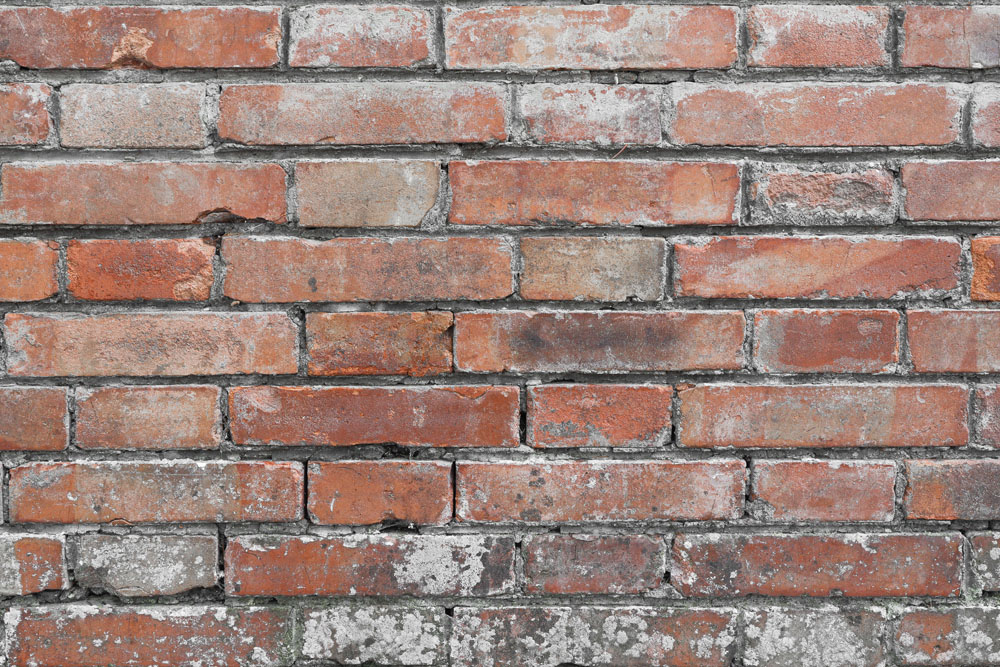
Spalling occurs when moisture seeps into bricks and causes them to chip or flake away. This is a clear indication that repairs are needed as it compromises structural integrity.
Flue Blockages
A blocked flue can prevent smoke from escaping your home properly. If you experience poor ventilation or see creosote buildup, it’s a sign that your chimney needs attention.
Rusty Damper or Firebox
Rust indicates moisture intrusion which can lead to further deterioration of your masonry chimney. If you see rust anywhere around your damper or firebox, it’s time for a check-up.
The Importance of Timely Repairs
Ignoring these signs can lead to more severe issues down the road—like costly repairs! Plus, unresolved problems may pose safety risks such as fire hazards or carbon monoxide poisoning.
Understanding Masonry Chimney Structure
Components of a Masonry Chimney
To adequately assess its condition, it's essential to understand what makes up a masonry chimney:
Chimney Cap: This sits on top and prevents rainwater from entering. Flue Liner: Protects the inner walls and helps direct smoke outside. Crown: The surface at the top that sheds water. Brickwork: The outer layer providing structural stability. Mortar Joints: The adhesive holding everything together.Each part plays a critical role in ensuring that your chimney operates safely and effectively.
Common Materials Used in Masonry Chimneys
Typically made from clay tiles or stainless steel for liners and various types of brick for construction, understanding these materials can help you gauge possible areas needing repair based on their longevity and durability factors.
How Weather Affects Your Masonry Chimney
Winter Damage: Freeze-Thaw Cycles
In colder months, moisture enters cracks in the brickwork; when it freezes, it expands—leading to even larger cracks upon thawing. This cycle can deteriorate your chimney significantly if not monitored carefully.
Summer Heat: Sun Exposure and Cracking
Intense summer heat can also cause expansion in materials which may lead to cracking over time if not accounted for during regular maintenance checks.
Rain Damage: Moisture Intrusion Issues
Continuous exposure to rain without proper caps can lead to significant water damage that may compromise both structure and function.
Regular Maintenance Practices for Your Masonry Chimney
Annual Inspections Are Key!
Scheduling yearly inspections with a qualified professional ensures early detection of potential problems before they escalate into major repairs.
Cleaning Out Creosote Build-Up
Creosote accumulation is hazardous; therefore having your flue cleaned regularly (ideally once a year) minimizes fire risks significantly!
Sealing Cracks Promptly
Using sealants designed for masonry helps protect against moisture intrusion which leads back again towards maintaining established integrity within structures overall!
FAQs about Masonry Chimneys
How often should I inspect my masonry chimney? It's recommended to have them inspected annually by professionals.
What are common causes of chimney leaks? Poor flashing installation or damaged caps are frequent culprits.
Can I perform maintenance myself? Simple cleaning tasks can be done by homeowners; however, complex repairs should always be handled by experts.
What happens if I ignore these warning signs? Ignoring warnings could lead not only costly repairs but also significant safety hazards!
Are there specific maintenance practices I should follow? Yes! Regular cleaning & annual inspections are vital.
What types of materials should I use for repairs? Utilize high-quality sealants designed specifically for masonry applications!
How To Identify When Your Masonry Chimney Needs Repairing
So you've identified some issues with your masonry chimney—what now? First off, don't panic! With careful observation and timely action taken through proper channels (like expert consultations), most concerns regarding chimneys can be resolved efficiently without breaking the bank!
The key takeaway here is awareness—knowing what signs indicate potential problems coupled with proactive measures ensures safe operation throughout every season while enjoying those cozy evenings around an open flame indoors!
Conclusion
In summary, knowing how to identify when your masonry chimney needs repairing isn’t just about aesthetics; it’s about maintaining safety and functionality in your home environment. Regular inspections combined with timely repairs will ensure that you enjoy many warm winters beside your fireplace without worry! Don't hesitate—if you've spotted any warning signs discussed here today make sure you get custom fireplace masonry those checked out sooner rather than later! After all—better safe than sorry!